
The Difference Between Traditional Stucco and Synthetic (EIFS)
Understanding the difference between traditional stucco and synthetic (EIFS) helps homeowners choose the right exterior finish, and local contractors can expertly install either option.
If you’re exploring exterior wall options for a property, understanding the difference between traditional stucco and synthetic (EIFS) can be an important step in making an informed decision. Property owners in the area often consider these materials based on factors like durability, appearance, and maintenance needs. Whether renovating an existing building or planning a new construction, knowing which stucco type aligns best with your goals can help ensure a long-lasting, attractive exterior. Local contractors who specialize in stucco installation can provide insights tailored to local conditions, making it easier to choose the right solution for your property.
As you continue reading, you’ll discover key distinctions between traditional stucco and synthetic (EIFS), including how each material performs in different environments and their respective benefits. This knowledge can help property owners weigh practical considerations such as insulation, weather resistance, and overall cost-effectiveness. Local service providers experienced in both types of stucco installation are available to help evaluate your specific needs and ensure the right application for your property. Keep exploring to learn more about these options and how they might fit into your exterior renovation plans.
- Traditional stucco installation services are suitable for homeowners seeking a classic, durable exterior finish and are approached by local contractors experienced in traditional application techniques. Synthetic (EIFS) stucco installation is often chosen for buildings requiring enhanced insulation and moisture control, with local service providers specializing in synthetic systems. When considering the difference between traditional stucco and synthetic (EIFS), local pros evaluate the structure’s needs to recommend the most appropriate option. Both types of services involve careful surface preparation and application methods tailored to each system’s requirements. Contacting local contractors can help determine which stucco system best aligns with the specific project goals and building conditions.

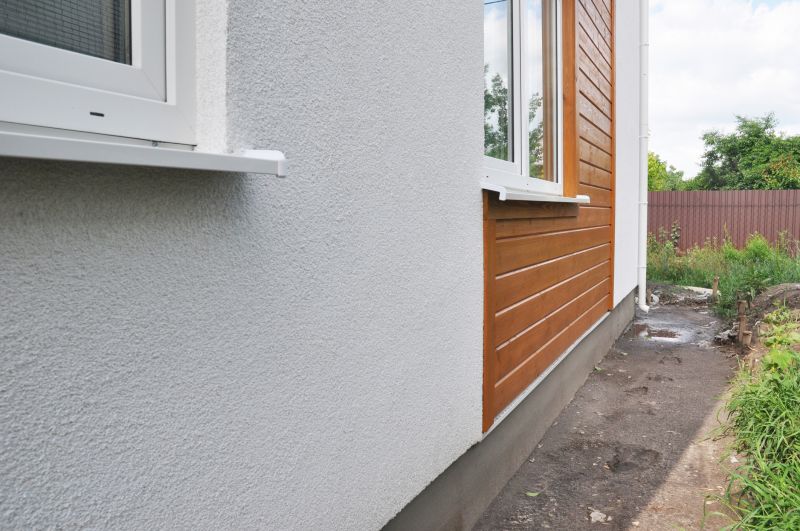
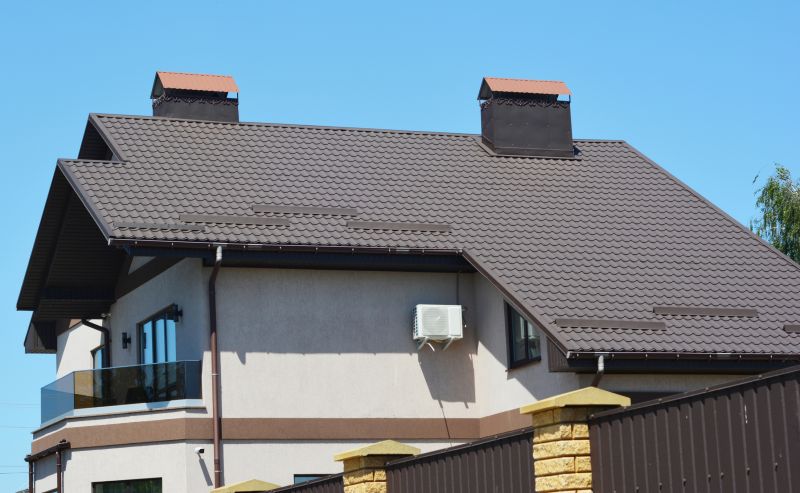
When homeowners search for information about the difference between traditional stucco and synthetic (EIFS), they are often trying to understand which exterior finish might be best suited for their property. This comparison typically comes up during planning or renovation projects where durability, appearance, and maintenance are key concerns. Many are interested in how each option performs over time, their aesthetic qualities, and how they handle weather exposure. Understanding these distinctions helps homeowners make informed decisions about which type of exterior cladding aligns with their goals, whether for new construction or remodeling an existing building.
The difference between traditional stucco and synthetic (EIFS) is primarily rooted in their composition and application methods. Traditional stucco is made from cement, sand, and water, applied in multiple coats directly onto a prepared surface, creating a solid, textured exterior. In contrast, synthetic (EIFS) consists of a layered system that includes insulation board, a base coat, and a textured finish, all attached with an adhesive or fasteners. EIFS often offers better insulation properties and a smoother appearance, making it popular in climates where energy efficiency is a priority. However, each system has its unique advantages and potential drawbacks, which are important to consider based on the specific needs of a property.
The types of properties that typically feature traditional stucco include residential homes, especially those with a historic or classic architectural style, as well as commercial buildings seeking a durable exterior. Synthetic (EIFS) is frequently installed on modern residential structures, multi-family units, and commercial properties where energy efficiency and a sleek look are desired. Both systems are suitable for various property types, but the choice often depends on the building’s design, location, and performance expectations. Local contractors who specialize in stucco installation can assess a property’s characteristics and recommend the best approach, ensuring the exterior finish complements the building’s style and meets functional needs.
Understanding the differences between traditional stucco and synthetic (EIFS) helps homeowners connect with local service providers who can execute the right installation for their property. Whether the goal is to achieve a classic textured appearance or a smooth, insulated facade, experienced pros can handle the job efficiently. They can advise on the suitability of each system, prepare surfaces properly, and ensure a high-quality finish that enhances the building’s curb appeal and durability. For those considering a stucco upgrade or new installation, reaching out to local contractors ensures the project aligns with the specific requirements of their property, making the choice between traditional and synthetic stucco a practical and well-informed decision.
Exterior wall cladding projects - professionals experienced in traditional stucco or synthetic (EIFS) installation can handle a variety of exterior wall cladding applications, ensuring proper adhesion and durability.
Residential facade renovations - local contractors skilled in stucco work can assist with updating or restoring residential exteriors using either traditional or synthetic finishes.
Commercial building exteriors - service providers familiar with stucco systems can manage large-scale commercial projects that require specialized planning and application techniques.
Insulation and weatherproofing upgrades - experts in EIFS and stucco can improve energy efficiency and weather resistance through proper application and system integration.
Architectural feature installation - specialists can craft decorative or structural elements using stucco or synthetic finishes, requiring precise planning and skill.
Repair and restoration services - local pros can assess and repair existing stucco or EIFS systems, addressing issues like cracking, moisture intrusion, or surface damage.
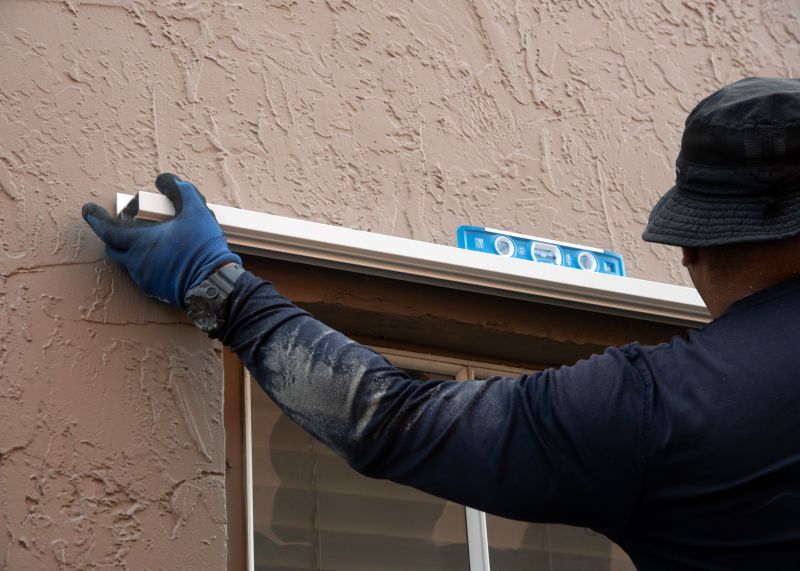
When comparing service providers for traditional or synthetic stucco installation, it’s important to consider their experience with similar projects. Homeowners should inquire about the types of stucco systems the contractors have worked with extensively, ensuring they are familiar with the specific requirements and challenges associated with both traditional stucco and synthetic (EIFS). A contractor’s past work on comparable projects can provide insight into their expertise, craftsmanship, and ability to handle the unique aspects of each system, such as surface preparation, application techniques, and finishing details.
Clear written expectations are essential when evaluating potential service providers. Homeowners should seek detailed proposals that outline the scope of work, materials to be used, and the steps involved in the installation process. This helps ensure there is a shared understanding of the project’s goals and reduces the risk of misunderstandings. A reputable contractor will be transparent about what to expect during each phase of the job, including any necessary preparations or follow-up work, allowing homeowners to make informed decisions about which provider aligns best with their needs.
Reputable references and effective communication are also key factors in selecting a reliable contractor. Homeowners should ask for references from previous clients who had similar stucco systems installed, and follow up to gain insights into their experiences. Good communication involves prompt responses to questions, clear explanations of options, and a willingness to address concerns throughout the project. Choosing a service provider who demonstrates professionalism in these areas can contribute to a smoother installation process and a result that meets expectations for quality and durability.
Get a Quote for Traditional Or Synthetic Stucco Installation
Property owners often search for the difference between traditional stucco and synthetic (EIFS) when they are planning practical projects around their homes and businesses. Local pros provide Traditional or Synthetic Stucco Installation services for everyday jobs and straightforward project options.


Understanding the difference between traditional stucco and synthetic (EIFS) is important for property owners considering exterior wall finishes. Traditional stucco is a cement-based material that has been used for decades, offering a durable and classic look. It is typically applied directly over a wire mesh or lath and requires a layered installation process. This type of stucco is known for its long-lasting qualities and ability to withstand harsh weather conditions, making it a popular choice for homes and commercial buildings alike.
Synthetic (EIFS) offers a more modern approach, featuring a layered system that includes insulation and a finish coat. It is lightweight and can be molded into various textures and styles, providing more design flexibility. EIFS can also offer better insulation properties, which may help improve energy efficiency. Property owners in the area who are exploring options for exterior finishes might find that local contractors specializing in both traditional and synthetic stucco can help determine the best choice based on their specific needs, aesthetic preferences, and the building’s structural considerations.
Get a Quote for Traditional Or Synthetic Stucco Installation
What is the main difference between traditional stucco and synthetic (EIFS)? Traditional stucco is a cement-based material applied in layers directly onto the exterior wall, while synthetic (EIFS) is a foam-based system with a synthetic finish that provides better insulation and flexibility.
How do the installation processes for traditional and synthetic stucco differ? Traditional stucco involves applying multiple coats of cement-based materials over a lath, whereas synthetic stucco (EIFS) involves attaching foam insulation boards, followed by a synthetic base coat and finish layer, making the installation methods distinct.
Which type of stucco is more durable for exterior walls? Traditional stucco is generally more durable in harsh weather conditions due to its cement composition, while synthetic (EIFS) offers better flexibility and resistance to cracking but may require more maintenance over time.
Can local contractors help decide between traditional and synthetic stucco for a property? Yes, experienced service providers can evaluate the building's needs, climate, and aesthetic preferences to recommend the most suitable stucco type and handle the installation professionally.
Are there differences in the maintenance requirements for traditional versus synthetic stucco? Traditional stucco typically requires less frequent maintenance, whereas synthetic (EIFS) may need periodic inspections and repairs to address potential issues like moisture intrusion or surface damage.
Understanding material differences - property owners can explore how traditional stucco and synthetic (EIFS) differ in appearance and durability to choose the best option for their home's exterior.
Assessing climate suitability - local contractors can advise on which type of stucco performs better in specific weather conditions, helping owners make informed decisions.
Considering installation techniques - property owners might work with pros to understand the installation process for each stucco type and select the most suitable method for their project.
Evaluating maintenance needs - property owners can discuss with local service providers how each stucco type requires different upkeep to maintain its appearance and performance.
If you are thinking about the difference between traditional stucco and synthetic (EIFS) for a property, this guide is meant to help you understand this topic, the typical project types, and how different options might fit your plans.
When you are ready, you can use the quote form on this page to share a few details about your project. From there, local pros can review the basics and follow up with options that match what you have in mind.
Get a Quote for Traditional Or Synthetic Stucco Installation